0%
Available for work --:-- Amman

A marketing agency in Amman the size of one person: growth you can actually measure.

Rayan Elwathiq, full stack marketer in Amman, Jordan. I do not sell posts. I diagnose why your business is not selling, then build what does.

0 Client engagements
0 Views on a single post
0 Organic followers in 30 days
0 Pieces published here

The film

The whole story — in 85 seconds

Why businesses stop selling, what I do about it, and what awaits you on this site — best with sound on 🔊

About

I build marketing systems from zero: brand strategy, content calendars, campaigns, paid ads, and lead follow-up. I work with small businesses and startups that need structure, clarity, and consistent execution.

I am also studying Digital Supply Chain Management at Philadelphia University, which adds an operations and numbers lens to my marketing work.

From noise, to a growth curve, to a system that holds.

Calculator

How much are you losing every month without a website?

Not what a website costs you. What not having one costs you. Fill four fields and see the number.

You are losing roughly

0JD

every month

over a year0 JD
over 3 years0 JD
lost customers a month0

Where the loss comes from

  • People searched and never found you706 JD

    They looked for your service, your competitor showed up, and they went there. You never knew they existed.

  • People saw you and hesitated424 JD

    Your ad or account reached them, they searched for you, found no site, no pricing, no policy, and did not follow through.

  • People came when you were closed282 JD

    Enquiries arrive at night or on weekends. A website answers them while you sleep. You reply tomorrow, and most have moved on.

And on the other side

A 2,500 JD website pays for itself in about a month, and then keeps working.

Tell me about your projectWe work it out on your numbers, not on averages.

These are estimates based on deliberately conservative Jordanian market averages. We aimed low, not high. Real results depend on your industry, competitors, and execution. This shows the size of the problem, it is not a promise of profit.

Short game

The Brand Eye

Ten rounds on why one design works and another does not: new questions every time. Fifteen seconds each.

Short game

How good is your eye?

  • 10 rounds. The same design twice
  • One principle separates them
  • 15 seconds each

What I bring

SEO

Keyword research, on-page optimization, search-intent mapping, and content strategy.

Paid Media

Meta Ads setup, audience segmentation, A/B testing, Pixel, and ROAS, CPL, CTR tracking.

CRM & Lead Management

Pipeline setup, lead segmentation, and follow-up nurturing workflows.

Content Systems

Content pillars, monthly calendars, creative briefs, and copywriting.

Creative Production

Brand identity, social design, short-form video editing, and AI-assisted visual assets.

Meta Ads ManagerFacebook PixelGoogle AnalyticsSearch ConsoleGoogle AdsHubSpotMailchimpPhotoshopIllustratorPremiere ProAfter EffectsCanvaCapCutWordPressGoogle WorkspaceMeta Ads ManagerFacebook PixelGoogle AnalyticsSearch ConsoleGoogle AdsHubSpotMailchimpPhotoshopIllustratorPremiere ProAfter EffectsCanvaCapCutWordPressGoogle Workspace

Search

SEO is not keywords.

Most of what gets sold as "SEO" is the first layer only, and it is the easiest one. Below it are five more, and any single one of them can stall a project no matter how many keywords you write. Here are the layers, and what actually happens in each.

Before keywords: can Google reach the page at all? Crawl budget, the duplicate pages eating it, content built in JavaScript that never gets read, redirect chains, orphan pages, and real-user load speed rather than lab speed.

  • Crawl budget and index bloat
  • JavaScript rendering and what the crawler never sees
  • Canonicals and redirect chains
  • hreflang for bilingual sites
  • robots.txt and sitemaps
  • Core Web Vitals from real user data
  • Structured data (Schema)
Tools Screaming FrogSearch ConsolePageSpeed InsightsRich Results Test

A site is a link graph, not a list of pages. Ten pages competing for the same intent weaken each other instead of adding up. The single most common problem I find in existing sites. The right structure is one page per topic with supporting pages linking into it.

  • Pages competing for the same intent (cannibalisation)
  • Internal links as a network that distributes authority
  • Click depth from the home page
  • Topic clusters and pillar pages
  • Faceted navigation and infinite URL space
  • Orphan pages with no internal link
Tools Screaming FrogAhrefsSemrushSearch Console

Search volume does not tell you what the searcher wants. The same phrase can hide someone learning, someone buying and someone comparing, and each needs a different page. Before writing, look at who actually ranks: Google is telling you exactly what it considers the answer.

  • Intent classification: learn · compare · buy · navigate
  • Reading page one before writing a word
  • SERP features (snippets, People Also Ask, maps, images)
  • Long-tail queries where intent is unambiguous
  • The gap between what you target and what actually arrives
Tools Search ConsoleAhrefsSemrushSERP analysis

The page that wins answers the question faster and clearer than the rest, and adds something page one does not already contain. Content also decays: a page that ranked first a year ago slips because others updated. So the job is not publishing. It is a refresh cycle.

  • The answer first, not after 600 words of preamble
  • Information gain over what page one already says
  • Content decay and refresh cycles
  • Experience, expertise, authority, trust (E-E-A-T)
  • Covering the topic, not one keyword
Tools Search ConsoleAhrefsSemrush

Bought links either do nothing or do damage. The link that works is one someone placed because they needed to cite you. So the work is not buying links. It is building something worth citing: research, a tool, a number from your market nobody has published.

  • Assets worth citing instead of purchased links
  • Digital PR and unlinked brand mentions
  • Natural anchor text distribution
  • Cleaning up a toxic link profile
  • Brand mentions as a signal in themselves
Tools AhrefsSearch ConsoleSemrush

A ranking alone pays nothing. The numbers that matter: how many clicked, how many became customers, and what a visit costs compared to advertising. And the Search Console interface caps at 1,000 rows. The full data comes out of the API, and that is where the real work starts.

  • Clicks, impressions and CTR per query cluster
  • Pulling full data through the Search Console API
  • Tying search to conversions, not sessions
  • Cost per organic visit versus paid
  • A dashboard you can read without me explaining it
Tools Search Console APIGA4Looker StudioBigQuery

Each layer solves a different problem, and the order is deliberate: excellent content is worth nothing on a page Google cannot reach.

Have a site and want to know where the problem is?

Tell me about it

Data

Numbers tell you what happened. Not why.

"We had 5,000 visitors last month", and? The number alone does not tell you what to do tomorrow. The real work is seeing in three layers: what happened, why it happened, and what you change because of it. Each layer has its own tools.

What happened?

The numbers

The layer everyone stops at. Sessions, sources, pages, bounce rate. Useful, but it describes the past without explaining it. The biggest mistake here is measuring pageviews instead of events: a visit is not a result, an action is.

  • Events built on real actions, not pages
  • Conversion paths and exactly where people drop
  • Audiences split by behaviour, not by country
  • Attribution: last source and everything that assisted
GA4Google Tag ManagerLooker Studio

Why did it happen?

Behaviour

Here you see the screen through the visitor’s eyes. Heatmaps show where attention landed and where scrolling stopped; session recordings show the moment someone gave up. These signals never appear in a numbers report.

  • Rage clicks: clicking again and again because nothing happened
  • Dead clicks: clicking something that was never clickable
  • Scroll depth: exactly where reading stops
  • Cursor thrashing: a sign of confusion or waiting
  • Form drop-off: the specific field that loses people
HotjarMicrosoft ClaritySession recordings

What do you change?

The decision

Analysis that produces no decision is just a nice report. The last layer is turning what you saw into one specific change, then measuring whether it actually worked instead of judging it by taste.

  • A hypothesis written before the change, not after
  • One change at a time so you know what moved
  • Before and after compared over the same window
  • One dashboard you can read without me explaining it
Looker StudioGA4Search Console

And a note on privacy

Recordings run with automatic masking of sensitive text and form fields. No names, no numbers, no card details are stored. Any tracking I set up sits on your properties in your name, and the data stays with you.

Have numbers and cannot tell what they say?

Let us read them together

Challenge

Lock the signal.

There is a light node on the knot, and a ring in front of it. Spin the knot until the node passes through the ring. The closer you get, the higher the signal strength.

Signal strength0%

My logo is a knot. Here it is as a real 3D object built with React Three Fiber. Not an image, not a video.

Simulation

You have a marketing budget. Where does it go?

Split your budget across the five channels and watch what comes back. When you are done, I will show you my split and why.

Before you play. Three things to be clear about

  1. This number is monthly and recurring. Picking 1,000 JD means 1,000 every month, not a one-off payment. That is exactly why the month-one and month-six numbers come out different.
  2. "Website + SEO" is ongoing monthly spend. New pages, improvements, content, and search ranking work. Building a website from scratch is a separate project with its own budget. Do not read 200 JD here as the price of a website.
  3. This is the delivery budget, not my fee. What you allocate goes to Meta, to production and shooting, to hosting and tools. Costs you pay regardless of who works with you. My fee covers the decisions that make that spend come back instead of disappear, and we agree on it separately based on scope.
Monthly delivery budget:

Every dinar you add to one channel comes out of another. Exactly like real life.

Meta ads200 JD · 20%

Instant reach, stops the day you stop paying.

Organic content200 JD · 20%

Slow at first, then it keeps paying you back.

Website + SEO200 JD · 20%

Ongoing monthly: pages, improvements, and search ranking. Not building a site from scratch.

Brand + creative200 JD · 20%

Monthly design and creative output. Buys almost no reach, multiplies every other channel.

Creators200 JD · 20%

Borrowed trust. Big spike, short memory.

Projected result

Leads in month 1

156

Cost per lead

6.4JD

Leads in month 6

364

This is an educational simulation based on Jordanian market averages and my own client work. Numbers are estimates and shift with your industry, product, and execution quality, and this is a monthly delivery budget that does not include my fee. A "lead" means a message, enquiry, or form fill, not a closed sale.

Open the full simulator →

Experiment

Pull the cord, let me give you an idea.

Three quick questions about your business, and you get a content idea you could shoot today.

The more you tell me, the closer the idea gets, and it reaches me if you decide to get in touch.

New in the lab Try hiring an AI agent A one-minute game: pick your field, tick the tasks eating your day, and watch your day handle itself — and how many hours a week you get back. Play your trial day

Growth stories

All growth work
Dr. Samir Al-Qarain

Personal Brand Growth

Dr. Samir Al-Qarain

Built a brand-new Instagram presence from 0 to 2,395 followers organically in 30 days: brand guidelines, visual identity, video QA, hook writing, and a full editing workflow.

  • 2,395 Organic followers in 30 days
  • 290K Views on a single post
  • $0 Ad spend
Read the story →
LUVIT Skincare

Brand Development & Content Strategy

LUVIT Skincare

Led digital brand development for a Turkish skincare label entering the Jordanian market: visual identity, content strategy, and phased organic growth planning with an AI-assisted design workflow.

  • 40% Faster design turnaround
Read the story →

Video work

All videos

Design work

Open any design to read its full page: the vision, the goal, and the result.

All designs
Orient Enam Solar

Brand Rebuild & Content Campaign

Orient Enam Solar

Developed brand guidelines, logo direction, a marketing plan, and communication improvements for the company's identity and positioning.

Project details →
Fikra & Nuqta

Creative Direction & Content Strategy

Fikra & Nuqta

Built a content-led direction for a marketing agency: composite imagery that stops the scroll, carrying ideas about how marketing actually works.

Project details →
The Corner Salon

Visual Identity & Social Direction

The Corner Salon

Defined the visual language for a new salon: palette, art direction, and how services are presented across social.

Project details →
Behance My full creative library ↗

Websites

From the first line of code to the last design detail.

The lab

Work I do not lead with, and do not hide.

Anyone can show their best five pieces and look excellent. What actually tells you something is the distance: where it started and where it is now. These are the beginnings, and the experiments I still run on my own. No client, no brief, no reason beyond wanting to try something.

The beginnings

Real projects with a small scope: a phone shop, wedding dresses, a spa. Pure design work. No strategy, no numbers, no say in the content. This is how it started, and how it starts for everyone.

MLR & Halem Spa

2017 – 2018

Stock photography, floral clipart, a decorative script. No grid and no hierarchy. The honest look of a first year.

MLR & Halem Spa: 1
MLR & Halem Spa: 2
MLR & Halem Spa: 3
MLR & Halem Spa: 4

Tampa

2017 – 2018

A phone shop. Simple, but the product finally sits in a deliberate layout instead of floating.

Tampa: 1
Tampa: 2

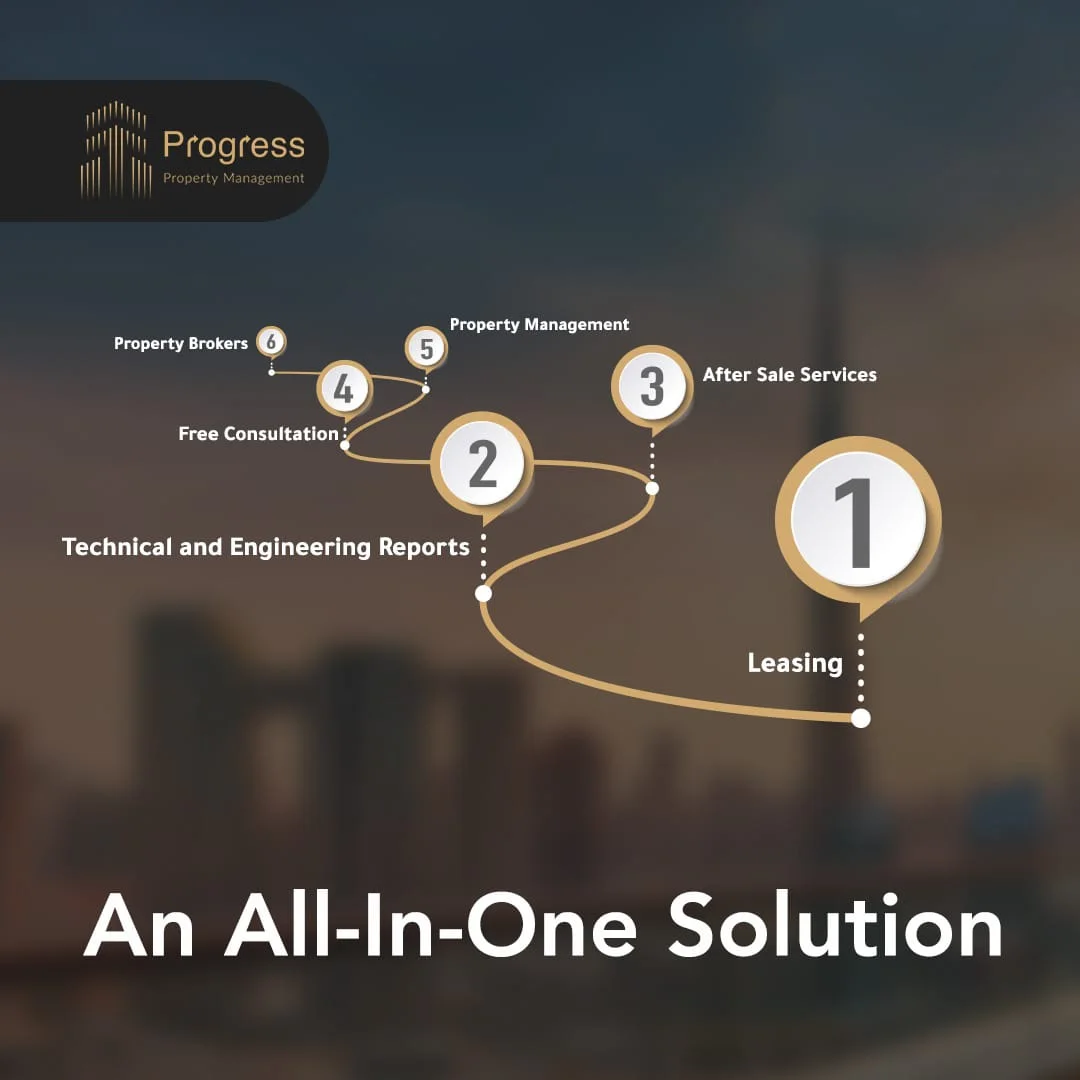
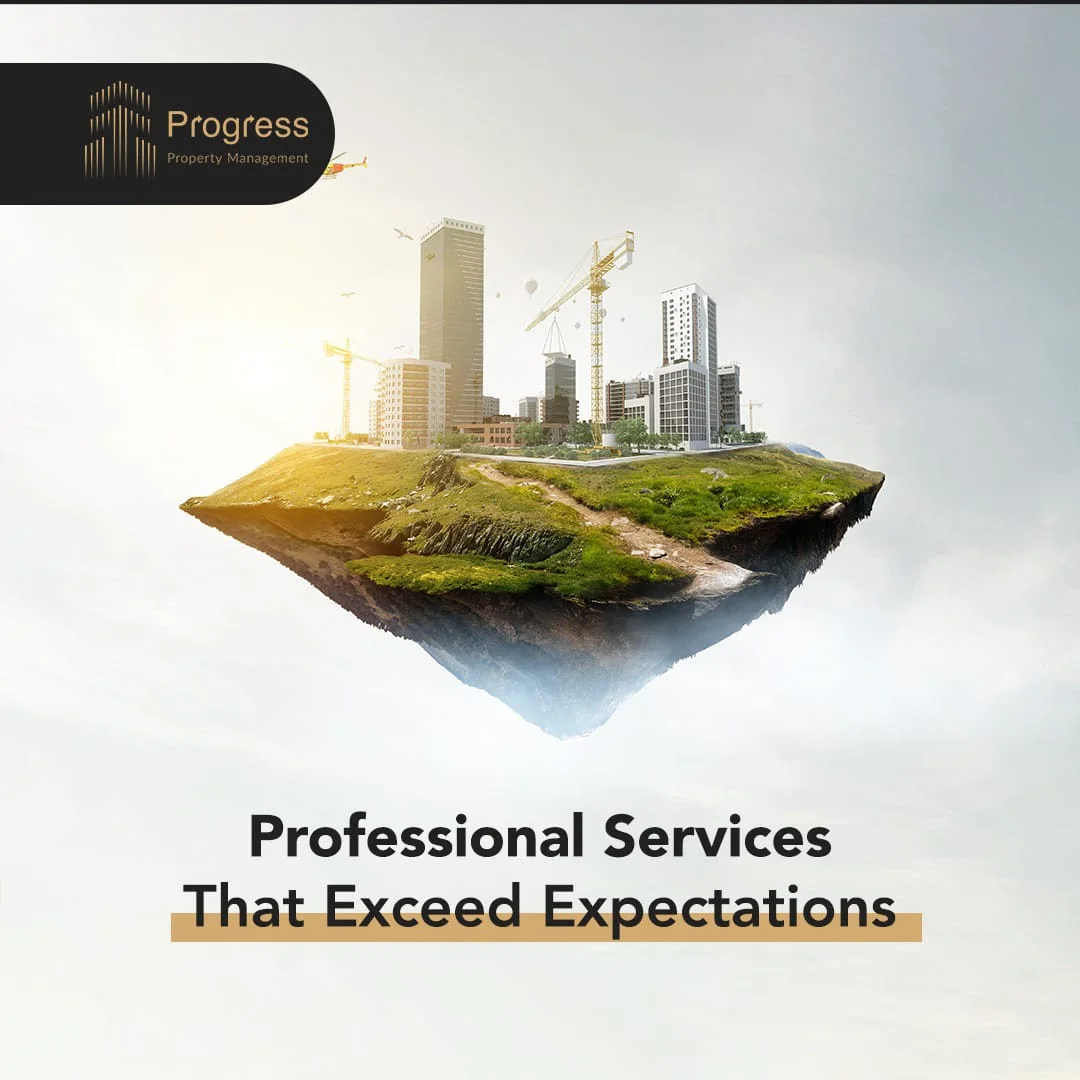
Progress & clinics

2019

Real estate in the UAE and two clinics in Egypt. First appearance of information design: steps, icons, a point being explained.

Progress & clinics: 1
Progress & clinics: 2
Progress & clinics: 3
Progress & clinics: 4

Nada Fayyad

2019 – 2020

Wedding dresses, UAE. The turning point. This is the first piece with a real offer and a reason to act, not just a pretty frame.

Nada Fayyad: 1
Nada Fayyad: 2

Identities and one-offs

2020

A proposed identity, a tourism brand, and campaign designs for different labels. By here the work is making decisions, not decorating.

Identities and one-offs: 1
Identities and one-offs: 2
Identities and one-offs: 3
Identities and one-offs: 4
Identities and one-offs: 5
Identities and one-offs: 6

The lab

Experiments I run today on my own: fictional brands, new techniques, and folding AI into the design pipeline. No client and no deadline. One purpose, which is not standing still.

Photo manipulation

Older reps

Thirteen techniques, each solved on its own: a creature composited into a moonlit sky, fruit rebuilt as a bottle, a portrait built out of type, dispersion, a painted double exposure. No client and no brief. These are the reps behind everything that came after.

Photo manipulation: 1
Photo manipulation: 2
Photo manipulation: 3
Photo manipulation: 4
Photo manipulation: 5
Photo manipulation: 6
Photo manipulation: 7
Photo manipulation: 8
Photo manipulation: 9
Photo manipulation: 10
Photo manipulation: 11
Photo manipulation: 12
Photo manipulation: 13

WE Telecom. Fictional

Today

Not a client. A brief I set myself on a brand at national scale, testing modern styles and folding AI into the pipeline.

WE Telecom. Fictional: 1
WE Telecom. Fictional: 2
WE Telecom. Fictional: 3
WE Telecom. Fictional: 4
WE Telecom. Fictional: 5
WE Telecom. Fictional: 6

Jordina. Spec work

Today

Key visuals for a carbonated pomegranate line. Product lighting, a splash that reads as taste rather than mess, and three takes on the same can. Spec work, no brief and no client sign-off.

Produced in collaboration with designer Emad Arbash.

Jordina. Spec work: 1
Jordina. Spec work: 2
Jordina. Spec work: 3

Technique studies

Today

Fruit inside a realistic ice cube, type wrapped onto packaging. Single problems, solved for their own sake.

Technique studies: 1
Technique studies: 2
Technique studies: 3
Technique studies: 4
Technique studies: 5
Technique studies: 6

The distance

Same person. The difference is not the software. It is that I now ask what the problem is before I open Photoshop.

And here is the current work

Phases are approximate. The work spans 2017 to 2020, ordered by how the design itself developed.

Signals

Not content written for Google. Content written so you understand.

Everything here came out of real work with real clients. Systems, numbers, mistakes that cost me, and fixes that actually worked. Not general advice rewritten from someone else.

Noise Signal

If you can find the same thing on ten other sites, it is not a signal. It is noise. Here you get only what I have tested myself.

What you will find here

  • Teaching Why something works, not just how to do it.
  • Challenges Real situations I ran into, and how I got out.
  • What's changing What shifted in the market and tools, and what it means for you.
  • Real fixes A specific problem, and steps you can run today.
  • Stories Stories from the field. With numbers, unpolished.
  • Games inside the articles Every signal has a game that lets you try the idea as you read: translate packages, repair a sales journey, expose a company...

Latest signals

  1. 01 You have 30,000 dinars and you can't pick a car. The problem isn't you has a game 7 min
  2. 02 How to run your first paid ad yourself (and when to hire someone instead) has a game 14 min
  3. 03 The one-page marketing plan: six questions before you spend anything has a game 8 min
  4. 04 Product photography with your phone: how to shoot reels without a studio has a game 11 min
Read the signals And 9 more signals waiting inside.

Education

Digital Supply Chain Management

Bachelor's degree, Philadelphia University. July 2025 to March 2029 (expected). I chose supply chain to connect marketing strategy with operations, reporting, data analysis, and execution.

Courses and training

WordPress and Digital Marketing, Media Buyer training, Meta Ads, Google Ads lead generation, SEO, and Adobe After Effects, Photoshop, and Illustrator.

How I work

Flexible engagements, one standard that never moves: quality.

I work remotely from Amman with clients in Jordan and abroad. Pick the format that fits your project, and we agree on scope and price before anything starts.

Why me specifically

I think and I build

Most people are either strategists who cannot execute, or executors without a plan. I write the strategy, then sit down and build it myself: design, editing, ads, and reporting.

Numbers, not promises

Every project leaves a number I can stand behind. 2,395 organic followers in 30 days and 290K views on a single post, with zero ad spend.

Faster without dropping quality

I built an AI-assisted workflow that cut production time by 40% while keeping brand consistency. That means more output in the same window.

An operations mindset

Studying digital supply chain taught me to work in KPIs and processes, not just "nice content". You will know where every dinar went and what it returned.

On full-time roles

My main focus right now is client work, but I am open to full-time or part-time roles, remote or hybrid, when the role and the offer are worth it. If you are building something serious, tell me about it.

FAQ

The questions I get asked most.

  • With a conversation, not a quote. I need to understand what you sell, who buys it, and what has already been tried before I can say what is worth doing. After that you get a written scope with deliverables, a timeline, and a fixed price, so nothing moves later.

  • Two rounds on each deliverable, and they are enough because we agree on direction before execution starts. Revisions exist to sharpen a direction you already approved, not to restart it. If the direction itself was wrong, that is on me and I fix it at no cost.

  • Yes. Everything I do runs remotely, and I already work across time zones. The only thing that changes is the meeting window, which we agree on once and keep.

  • A brand identity is two to three weeks. A website is three to six weeks depending on how much content exists. Growth work is different: the setup takes two weeks, but results are measured over ninety days, not seven. Anyone promising you numbers in a week is selling you a spike, not growth.

  • I take a limited number of projects at a time, and I tell you the truth about my capacity before we start. Not after. You get named delivery dates in writing. If something slips, you hear it from me first, not from a missed deadline. The trade for working with one person instead of an agency is that the person who understood your business is the same person doing the work.

  • No. Copy is part of the work, in Arabic and English. What I do need from you is the raw material only you have: what customers actually ask you, which objections kill your deals, and what you sell that nobody else does. I turn that into the writing.

  • You do, fully. Source files, project files, accounts, and passwords are handed over on delivery. I do not hold anything hostage to keep you on a retainer.

  • Yours. Always. The domain is the one thing that cannot be rebuilt, and it is the single most common way people get held hostage. The domain sits in the freelancer’s account, and the day you disagree you lose your address. Register it yourself with your own card and email, and add me as a user. If you already registered it through someone else, moving it to your name is the first thing I would fix.

  • You own both. Hosting goes on your account, and you get the full source. Not just a live link. That means any developer after me can pick it up without starting over. A site you cannot move is not a site you own.

  • They stay yours. The correct setup is that your business owns the Business Manager, the page, the ad account and the pixel, and I get partner access to work inside it. The wrong setup, the common one, is the agency building your ad account inside its own portfolio. It is faster for them and it means you own nothing: not the account, not the audiences, not the pixel history you paid to build.

  • No, and you should not give them to anyone. Every serious platform has proper roles: Meta partner access, Google Ads manager access, WordPress user accounts, Shopify staff accounts. You add me with the permission I need and remove me with one click when we are done. Nobody changes a password and nobody gets locked out.

  • A handover, not a goodbye message: source files and design files, access to everything in your name, a short document with what is where and how to run it, and the accounts and passwords already in your control. If you can only reach your business through me, I built it wrong.

  • Yes, before any money moves. It names the deliverables, the dates, the price, how many revision rounds are included, what counts as out of scope, who owns what, and how either of us can end it. A contract is not a sign of distrust. It is what makes it possible to disagree about something without the whole project collapsing.

  • Yes, and I will suggest one if your work touches customer data, pricing, or anything you would not want a competitor reading. It runs both ways: your numbers stay yours, and nothing goes into my portfolio without you approving it first.

  • Completely. Publishing is opt-in, not opt-out. Some clients let me show the designs but not the numbers, some let me show numbers without the name, and some prefer nothing at all. All three are normal and none of them change the price.

  • You get a written invoice for every payment, with the scope and the dates on it, so it is a clean record for your books. If your business needs a specific invoice format for tax purposes, tell me at the start and we arrange it before the first payment rather than after.

  • I am responsible for running inside the platform rules and for fixing it when something is flagged. Appeals, rewriting the creative, correcting the setup. What I cannot do is promise a platform will never make a mistake; Meta and Google restrict accounts wrongly all the time. What matters is that your assets are in your name, so a restriction is a problem to solve and not a business you lost access to.

  • It stays inside your accounts and your tools, not mine. I do not export customer lists to my own devices, and any analytics or tracking I set up goes on your properties under your ownership. If we set up a CRM or a form, the data lands with you from day one.

  • Because the same deliverable is not the same amount of work for every business. A brand identity for a new shop and one for a company with five branches share a name and nothing else. A fixed list would either overcharge the small project or undersell the big one. Tell me the scope and you get a real number, usually within a day.

  • There is no minimum, but there is a threshold of usefulness. Editing three reels will not change your numbers if the content system behind them is missing. I will tell you honestly when the budget is better spent on one thing done properly than on five things done partially.

  • Split across milestones, not all at the start and not all at the end. Typically a first payment to book the time, one at an agreed midpoint, and the last on handover. You always know what has been delivered before the next payment is due.

  • No, and be careful with anyone who blurs that line. My fee is for the work. The ad budget goes from your card straight to Meta or Google, so you can see every dinar in the platform yourself. Mixing the two is how people end up unable to tell what they paid for reach and what they paid for a person.

  • Because a template is a shape and a website is a decision about what your visitor should do. The cost is not in the pages, it is in the structure: what goes first, what objection gets answered where, what you can measure afterwards. If your only need is a shape, a template is genuinely the smarter buy and I will tell you so.

  • No, and be careful with anyone who does. I can guarantee the work, the standard, and the reporting. Results depend on your product, your price, and your market too. What I can promise is that you will always know exactly what was done, what it cost, and what it returned.

  • Organic builds an asset you keep, ads buy attention while you pay. Most businesses need both but in the right order: build the content system first, then put budget behind what already proved it works. Running ads on weak content is how budgets disappear.

  • You get the numbers that matter to your business, not a screenshot of likes. Before we start we agree on two or three measures. Leads, cost per lead, qualified enquiries, sales, and you see them on a fixed rhythm with what changed and what I am doing about it. A report that only ever contains good news is not a report.

  • Ads can show signal in days, but the first weeks are learning, not profit. Anyone promising otherwise is spending your money to look good early. Organic content and SEO move in months, not weeks. What you should expect quickly is clarity: within the first two weeks you should know what is actually broken.

  • You see the thinking before the polish. Direction gets approved on paper. Structure, message, the argument we are making. Before anything gets designed. That is deliberate: it is cheap to change a sentence and expensive to change a finished campaign. If the direction is wrong, we find out in week one.

  • Everything is in your accounts as we go, not handed over at the end, so at any moment you already hold the domain, the hosting, the ad account and the files. Work is committed as it is done, not saved on my machine until the final invoice. The honest answer to this question is not a promise, it is a setup where the promise does not matter.

  • Not in the same category at the same time without telling you. If a competitor approaches me while we are working together, you hear about it from me and you decide. Exclusivity in a category can be written into the contract if it matters to you.

  • Usually what went badly was not the work, it was the visibility: you did not know what was being done, you did not own the accounts, and you could not tell whether the money worked. So the fix is not "trust me more". It is that everything is in your name, the plan is written down, and the numbers you get are the ones your business actually runs on. If those three are true, a bad month is a bad month and not a mystery.

  • My focus is client work, but I will consider a full-time or part-time role, remote or hybrid, when the role and the offer are worth it. If you are building something serious, tell me about it.
Working together

How does a project usually start?

With a conversation, not a quote. I need to understand what you sell, who buys it, and what has already been tried before I can say what is worth doing. After that you get a written scope with deliverables, a timeline, and a fixed price, so nothing moves later.

Working together

How many revisions do I get?

Two rounds on each deliverable, and they are enough because we agree on direction before execution starts. Revisions exist to sharpen a direction you already approved, not to restart it. If the direction itself was wrong, that is on me and I fix it at no cost.

Working together

Do you work with clients outside Jordan?

Yes. Everything I do runs remotely, and I already work across time zones. The only thing that changes is the meeting window, which we agree on once and keep.

Working together

How long does a project take?

A brand identity is two to three weeks. A website is three to six weeks depending on how much content exists. Growth work is different: the setup takes two weeks, but results are measured over ninety days, not seven. Anyone promising you numbers in a week is selling you a spike, not growth.

Working together

You are one person. What happens when you are busy with another client?

I take a limited number of projects at a time, and I tell you the truth about my capacity before we start. Not after. You get named delivery dates in writing. If something slips, you hear it from me first, not from a missed deadline. The trade for working with one person instead of an agency is that the person who understood your business is the same person doing the work.

Working together

Do I have to write the content myself?

No. Copy is part of the work, in Arabic and English. What I do need from you is the raw material only you have: what customers actually ask you, which objections kill your deals, and what you sell that nobody else does. I turn that into the writing.

Ownership

Who owns the files at the end?

You do, fully. Source files, project files, accounts, and passwords are handed over on delivery. I do not hold anything hostage to keep you on a retainer.

Ownership

Whose name is the domain registered in?

Yours. Always. The domain is the one thing that cannot be rebuilt, and it is the single most common way people get held hostage. The domain sits in the freelancer’s account, and the day you disagree you lose your address. Register it yourself with your own card and email, and add me as a user. If you already registered it through someone else, moving it to your name is the first thing I would fix.

Ownership

Who owns the hosting and the website files?

You own both. Hosting goes on your account, and you get the full source. Not just a live link. That means any developer after me can pick it up without starting over. A site you cannot move is not a site you own.

Ownership

And the ad account and the Facebook page?

They stay yours. The correct setup is that your business owns the Business Manager, the page, the ad account and the pixel, and I get partner access to work inside it. The wrong setup, the common one, is the agency building your ad account inside its own portfolio. It is faster for them and it means you own nothing: not the account, not the audiences, not the pixel history you paid to build.

Ownership

Do I have to give you my passwords?

No, and you should not give them to anyone. Every serious platform has proper roles: Meta partner access, Google Ads manager access, WordPress user accounts, Shopify staff accounts. You add me with the permission I need and remove me with one click when we are done. Nobody changes a password and nobody gets locked out.

Ownership

What exactly do I get on the last day?

A handover, not a goodbye message: source files and design files, access to everything in your name, a short document with what is where and how to run it, and the accounts and passwords already in your control. If you can only reach your business through me, I built it wrong.

Contracts

Is there a written contract?

Yes, before any money moves. It names the deliverables, the dates, the price, how many revision rounds are included, what counts as out of scope, who owns what, and how either of us can end it. A contract is not a sign of distrust. It is what makes it possible to disagree about something without the whole project collapsing.

Contracts

Will you sign an NDA?

Yes, and I will suggest one if your work touches customer data, pricing, or anything you would not want a competitor reading. It runs both ways: your numbers stay yours, and nothing goes into my portfolio without you approving it first.

Contracts

Can I stop you from publishing my project in your portfolio?

Completely. Publishing is opt-in, not opt-out. Some clients let me show the designs but not the numbers, some let me show numbers without the name, and some prefer nothing at all. All three are normal and none of them change the price.

Contracts

Do I get a proper invoice?

You get a written invoice for every payment, with the scope and the dates on it, so it is a clean record for your books. If your business needs a specific invoice format for tax purposes, tell me at the start and we arrange it before the first payment rather than after.

Contracts

Who is responsible if the ads get rejected or the page gets restricted?

I am responsible for running inside the platform rules and for fixing it when something is flagged. Appeals, rewriting the creative, correcting the setup. What I cannot do is promise a platform will never make a mistake; Meta and Google restrict accounts wrongly all the time. What matters is that your assets are in your name, so a restriction is a problem to solve and not a business you lost access to.

Contracts

What about my customers’ data?

It stays inside your accounts and your tools, not mine. I do not export customer lists to my own devices, and any analytics or tracking I set up goes on your properties under your ownership. If we set up a CRM or a form, the data lands with you from day one.

Pricing

Why is there no price list on the site?

Because the same deliverable is not the same amount of work for every business. A brand identity for a new shop and one for a company with five branches share a name and nothing else. A fixed list would either overcharge the small project or undersell the big one. Tell me the scope and you get a real number, usually within a day.

Pricing

What is the smallest project you take?

There is no minimum, but there is a threshold of usefulness. Editing three reels will not change your numbers if the content system behind them is missing. I will tell you honestly when the budget is better spent on one thing done properly than on five things done partially.

Pricing

How does payment work?

Split across milestones, not all at the start and not all at the end. Typically a first payment to book the time, one at an agreed midpoint, and the last on handover. You always know what has been delivered before the next payment is due.

Pricing

Is the ad budget included in your price?

No, and be careful with anyone who blurs that line. My fee is for the work. The ad budget goes from your card straight to Meta or Google, so you can see every dinar in the platform yourself. Mixing the two is how people end up unable to tell what they paid for reach and what they paid for a person.

Pricing

Why is a website more expensive here than a template I can buy?

Because a template is a shape and a website is a decision about what your visitor should do. The cost is not in the pages, it is in the structure: what goes first, what objection gets answered where, what you can measure afterwards. If your only need is a shape, a template is genuinely the smarter buy and I will tell you so.

Results

Can you guarantee results?

No, and be careful with anyone who does. I can guarantee the work, the standard, and the reporting. Results depend on your product, your price, and your market too. What I can promise is that you will always know exactly what was done, what it cost, and what it returned.

Results

Do I need ads, or is organic enough?

Organic builds an asset you keep, ads buy attention while you pay. Most businesses need both but in the right order: build the content system first, then put budget behind what already proved it works. Running ads on weak content is how budgets disappear.

Results

How will I know it is working?

You get the numbers that matter to your business, not a screenshot of likes. Before we start we agree on two or three measures. Leads, cost per lead, qualified enquiries, sales, and you see them on a fixed rhythm with what changed and what I am doing about it. A report that only ever contains good news is not a report.

Results

How long before I see something?

Ads can show signal in days, but the first weeks are learning, not profit. Anyone promising otherwise is spending your money to look good early. Organic content and SEO move in months, not weeks. What you should expect quickly is clarity: within the first two weeks you should know what is actually broken.

Risk

What if I am not happy with the direction?

You see the thinking before the polish. Direction gets approved on paper. Structure, message, the argument we are making. Before anything gets designed. That is deliberate: it is cheap to change a sentence and expensive to change a finished campaign. If the direction is wrong, we find out in week one.

Risk

What if you disappear halfway?

Everything is in your accounts as we go, not handed over at the end, so at any moment you already hold the domain, the hosting, the ad account and the files. Work is committed as it is done, not saved on my machine until the final invoice. The honest answer to this question is not a promise, it is a setup where the promise does not matter.

Risk

Do you work with my competitors?

Not in the same category at the same time without telling you. If a competitor approaches me while we are working together, you hear about it from me and you decide. Exclusivity in a category can be written into the contract if it matters to you.

Risk

We tried an agency before and it went badly. Why is this different?

Usually what went badly was not the work, it was the visibility: you did not know what was being done, you did not own the accounts, and you could not tell whether the money worked. So the fix is not "trust me more". It is that everything is in your name, the plan is written down, and the numbers you get are the ones your business actually runs on. If those three are true, a bad month is a bad month and not a mystery.

Working together

Are you open to a full-time role?

My focus is client work, but I will consider a full-time or part-time role, remote or hybrid, when the role and the offer are worth it. If you are building something serious, tell me about it.
Question not here? Ask me directly →

Start a project

Tell me about your project

Three short steps, and I get back to you within 24–48 hours with a clear opinion: what works, what does not, and where to start.

  1. 01 Service

  2. 02 Project
  3. 03 Contact

Pick everything that applies.

I do not share your project details with anyone. You hear back from me personally.

Let's build something that grows.

I work with projects that want to grow properly: diagnosis before execution, and decisions by numbers, not feelings.

RAYAN ELWATHIQ